Winning Payments: Avoid Outages During March Madness
For online sportsbooks, the NCAA college basketball tournament isn’t just a whirlwind of games—it’s a major revenue sprint. Over the course of a few weeks, millions of fans place bets on everything from full brackets to buzzer-beater endings. For operators, it’s one of the most high-volume, high-pressure periods of the year. When the stakes are this high, fears of an outage can compound that pressure.
Payment failures during peak betting windows don’t just create temporary frustration. They can halt wagering entirely, drive players to competitors, and leave a lasting dent in revenue and reputation. During March Madness, there’s no margin for error.
When the platform goes down, the revenue stops
The sports betting industry has seen firsthand how disruptive outages can be during major events. During a recent Super Bowl, customers of a major sportsbook were unable to place wagers for a significant stretch of time due to a technical outage, prompting public apologies and widespread frustration. In another high-profile case, a prediction and betting platform crashed during peak college football betting activity, locking users out when engagement was at its highest.
While the specific root causes vary from infrastructure strain, system misconfigurations or processor issues, the impact is fairly consistent:
- Players can’t fund their accounts
- Deposits fail at checkout
- Live wagers can’t be placed
- Customer support queues spike
- Social media complaints multiply
And most importantly: revenue stalls.
In a high-volume event like March Madness, even minutes of downtime can translate into substantial losses. When thousands of players are trying to deposit at once, a failed processor or gateway outage can create a bottleneck that prevents bets from being placed at the exact moment players are most motivated.
Unlike other industries, sportsbooks can’t simply “make it up later.” If a player can’t place a bet before tipoff, that opportunity is gone. If they can’t live bet during a dramatic overtime, that revenue disappears instantly. Worse yet, players are rarely willing to wait around or give second chances.
The real cost of an outage during March Madness
It’s tempting to think about outages in purely technical terms such as uptime percentages, API errors or latency spikes. But for gaming operators, the consequences extend far beyond IT dashboards.
Lost gross gaming revenue (GGR)
Every failed deposit is a missed opportunity to generate handle and GGR. During peak tournament moments, conversion rates are high. When deposits fail, those high-intent transactions vanish.
Eroded player lifetime value (LTV)
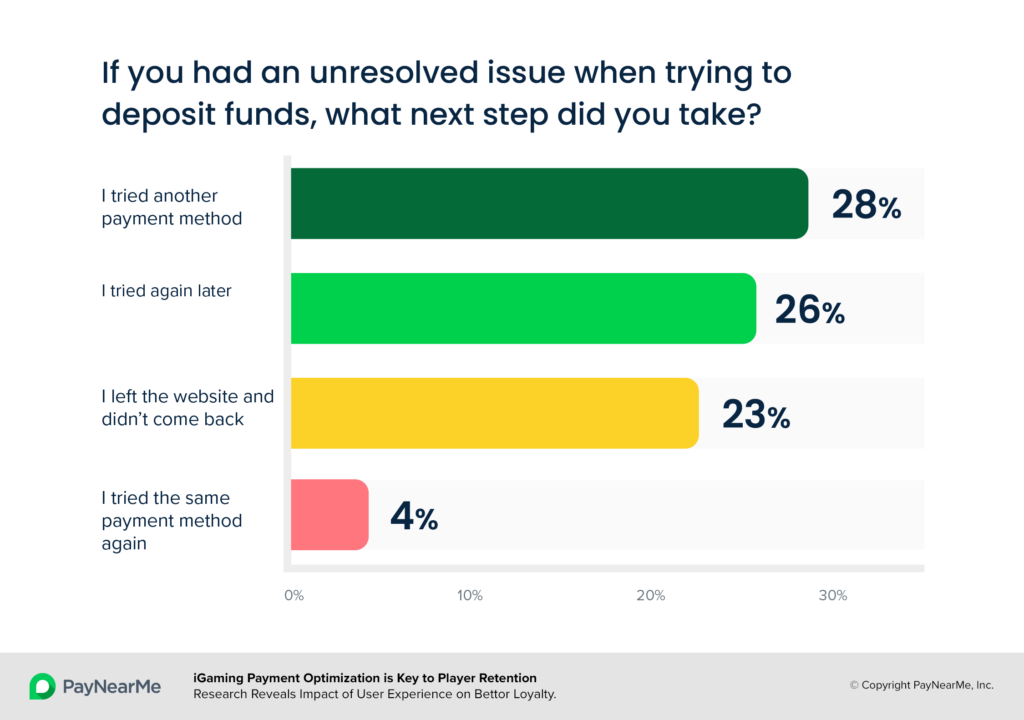
A frustrated player who can’t fund their account or immediately withdraw tournament winnings may try a competing sportsbook. According to PayNearMe research, after a failed deposit, 23% of bettors left a site or app and never returned. And 49% of surveyed bettors said that they would switch to a competitor if they promised faster withdrawals. So if a competitor’s experience is smoother, you risk losing that player long term—not just for March Madness, but for the NBA playoffs, football season and beyond.
Increased operational costs
Outages trigger reactive scrambles from across your organization:
- Engineering teams investigating incidents
- Operations coordinating with processors
- Support teams fielding complaints
- Marketing teams managing backlash
All of these unplanned costs add up quickly. In fact, on the customer support side, agent intervention can cost an average of $13.50 per interaction according to Gartner. That’s no small amount when multiplied by thousands of bettors unable to deposit or withdraw.
Reputation damage
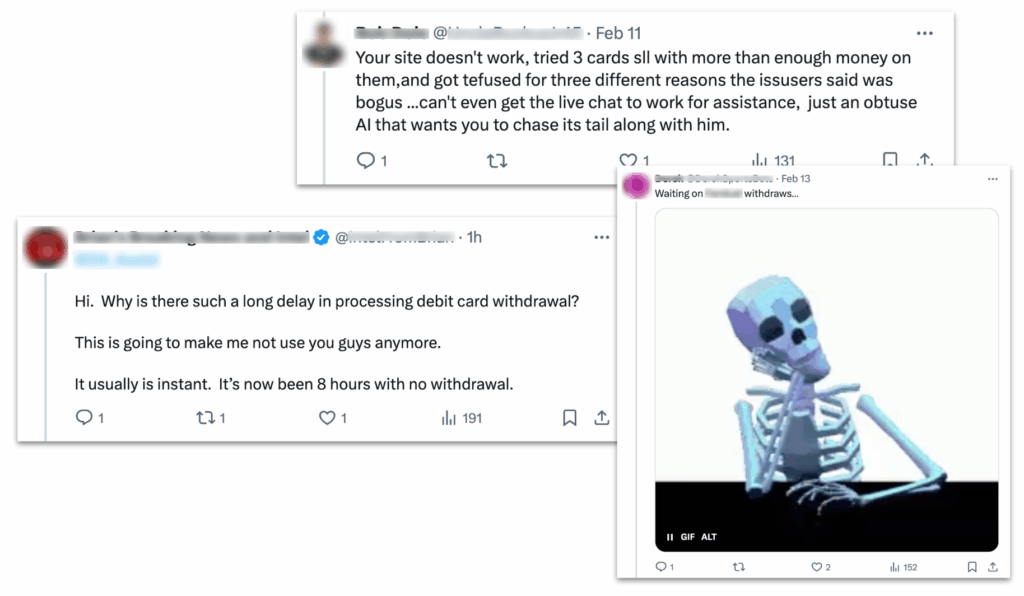
In a competitive market, reliability is brand equity. Social media lights up fast when betting apps go down—especially during high-profile games. Screenshots of failed deposits spread quickly, and public trust can erode just as fast.
For operators that have invested heavily in acquisition campaigns ahead of March Madness, an outage can undermine that spend in a single afternoon.
Why payments redundancy matters more than ever
Many operators assume their payments infrastructure is resilient until it’s tested by a traffic spike. A sporting event of this magnitude exposes weaknesses in payment stacks that rely on a single processor or require manual failover when issues occur. If your primary card processor experiences downtime and there’s no seamless backup in place, deposits simply fail.
Gaming operators evaluating payments providers should prioritize reliability as a core capability, not an afterthought. That means looking for:
- Proven uptime performance during peak events
- Redundant processing paths
- Intelligent routing capabilities
- Real-time transaction monitoring
- Minimal operational lift during incidents
But reliability is about more than just keeping systems up. It’s about controlling the entire payment experience—from authorization to settlement—and ensuring every player interaction feels seamless.
The importance of Payment Experience Management
Outages and failed transactions aren’t the only threats to conversion. Even marginal friction such as slow load times, unclear error messaging and inconsistent routing across processors can chip away at acceptance rates and player satisfaction.
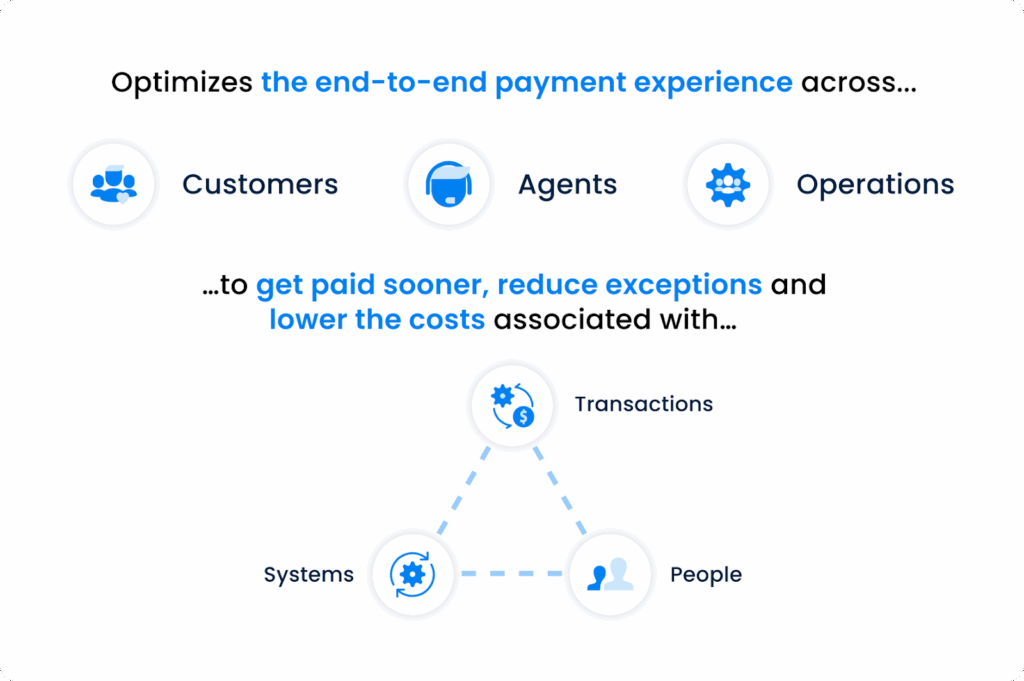
This is where Payment Experience Management becomes a competitive advantage. Payment Experience Management is a combination of software and money movement services which optimizes the end-to-end payment journey across customers, support and operations. It goes beyond the transaction, ensuring every stakeholder in the payment process has an easy experience.
It empowers operators to proactively monitor, analyze and optimize their payment performance across all channels. Instead of reacting to outages only when they occur, this approach:
- Tracks authorization rates and trends in real time
- Identifies bottlenecks or processor degradation before they impact players
- Enables smarter routing decisions based on performance data
- Provides actionable insights to improve overall conversion
When built into your payments stack, Payment Experience Management supports resilience, not just recovery. During a high-traffic period like March Madness, this isn’t a luxury. It’s a strategic requirement that complements redundancy by ensuring that payments are fast, reliable and optimized every step of the way.
Smart SwitchTM technology=built-in redundancy
To help gaming operators stay live during their biggest moments, and continuously improve payment performance, PayNearMe offers PayXMTM, our platform built to power Payment Experience Management, with embedded redundancy and resilience in our Smart Switch feature.
Smart Switch feature highlights
Smart Switch is a first-to-market technology that provides full card processing redundancy with a single integration and a single contract. Here’s how it changes the game:
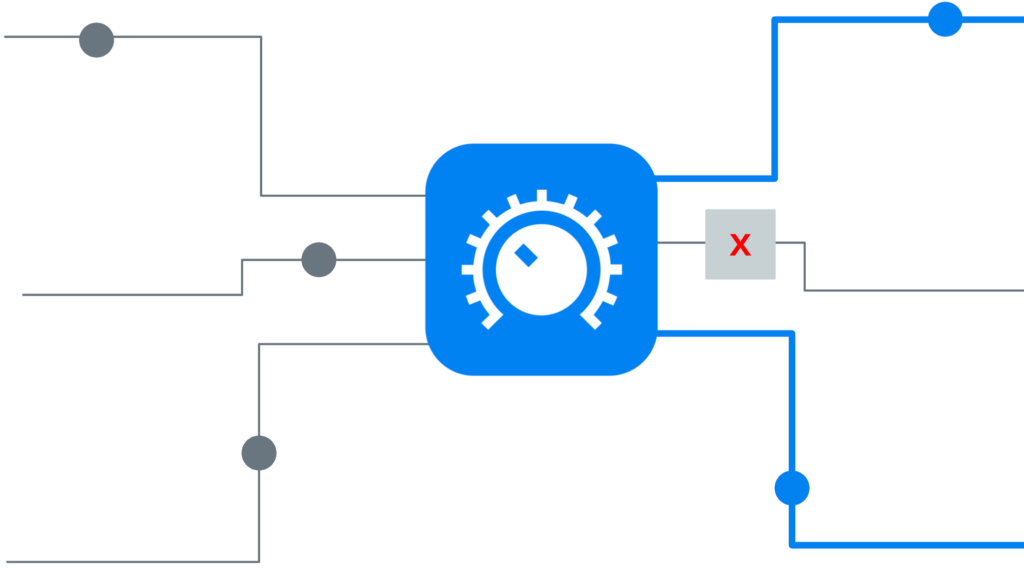
- Reduce downtime: Unpredictable outages and processor failures happen. Smart Switch automatically routes transactions through an active merchant processor in real time, minimizing disruptions when they matter most.
- Zero effort: Failover doesn’t require manual intervention. Transactions are routed dynamically, ensuring players can deposit without interruption.
- Extensible and future-proof: Smart Switch scales with your growth, supporting peak traffic periods like March Madness — and beyond.
- Seamless operations: Even when transactions fail over to a backup processor, there’s no impact on contracts, settlement or reconciliation.
But redundancy alone isn’t enough without visibility and optimization.
PayXM technology highlights
PayNearMe’s unique Payment Experience Management framework adds a layer of proactive insights and control to the PayXM platform:
- Real-time performance monitoring: See how payment flows are performing across processors and geographies.
- Dynamic routing optimization: Route transactions based on performance signals, acceptance rates and historical outcomes.
- Actionable analytics: Understand trends and opportunities to improve conversion before issues affect players.
- Preemptive reliability: Detect degrading performance early and respond before players notice.
With Smart Switch technology supporting PayXM, operators get a resilient and intelligent payment infrastructure—one that protects revenue, preserves reputation and enhances the player experience during March Madness and every peak event.
The competitive advantage of always-on payments
In a crowded sportsbook market, uptime is more than a technical metric; it’s a competitive differentiator.
PayXM with Smart Switch helps operators:
- Minimize downtime from a failed processor with zero effort from the business
- Advance their payment stack with built-in redundancy
- Consolidate vendors and streamline management of multiple processors
- Optimize payments and increase acceptance rates
- Contain player conversion and operational costs
- Protect earned LTV
- Safeguard GGR and overall revenue
- Preserve brand reputation
During March Madness, bettors move quickly. They chase odds shifts. They react to upsets. They place live bets in seconds. If your payment experience hesitates, they’ll find one that doesn’t.
Don’t let a payment outage be the biggest loss of the tournament
March Madness is unpredictable, but your payments infrastructure shouldn’t be. The difference between capitalizing on peak engagement and missing out often comes down to what happens behind the scenes when traffic surges. A single processor outage shouldn’t dictate whether players can fund their accounts during the most exciting moments of the tournament.
With built-in card processing redundancy, real-time routing and seamless failover, PayXM with Smart Switch helps ensure your sportsbook stays live when it matters most.